What to check before you plan a trip to Hatta Mountain Dubai
Understanding the terrain and weather
Before you head out, take a close look at what the Hatta region offers in terms of landscape and climate. The area is known for its rugged mountains, rocky wadis, and the calm waters of the Hatta Dam. Temperatures can climb quickly during the day, especially between May and September, while winter months bring cooler conditions that are more comfortable for hiking and outdoor activities. Knowing the season you intend to visit helps you pack the right clothing and plan your itinerary. The terrain varies from easy walking paths near the dam to more challenging trails that require a reasonable level of fitness. If you are not used to walking on uneven ground, stick to the flatter routes around the lake or the heritage village. Always carry enough water and wear sturdy shoes that can handle gravel and rock surfaces.
Checking road conditions and access
Getting to Hatta Mountain Dubai involves a drive of about 90 minutes from Dubai city centre, mostly on the E44 highway. The road is well-maintained, but the last section winds through hills and narrow stretches. Check your vehicle's condition before setting out, especially the tyres, brakes, and cooling system, because the climb and the heat can put extra strain on a car. If you are renting a vehicle, make sure it has enough power for the ascent. During winter weekends, the road can get busy with day-trippers, so plan an early start to avoid traffic. There is no public transport that goes directly to the main attractions, so a private car or a pre-booked tour is essential. The Hatta Mountain Tour Dubai official site provides details on access points and parking areas, which can save you time once you arrive.
What to pack for a comfortable visit
Packing for Hatta requires a balance between sun protection and comfort. Start with a wide-brimmed hat, sunglasses, and a high-SPF sunscreen. Lightweight, long-sleeved clothing helps shield your skin from the sun while staying cool. Wear closed-toe shoes with a good grip, as the ground can be loose and uneven. Bring at least two litres of water per person for a half-day trip, and more if you plan to hike. Snacks like nuts, dried fruit, and energy bars are useful because dining options inside the area are limited. A small first-aid kit with blister plasters, antiseptic wipes, and pain relievers can handle minor issues. If you intend to kayak on the dam, pack a change of clothes and a waterproof bag for your phone and wallet. A power bank is handy because there are few charging points in the open areas.
Activity options and skill levels
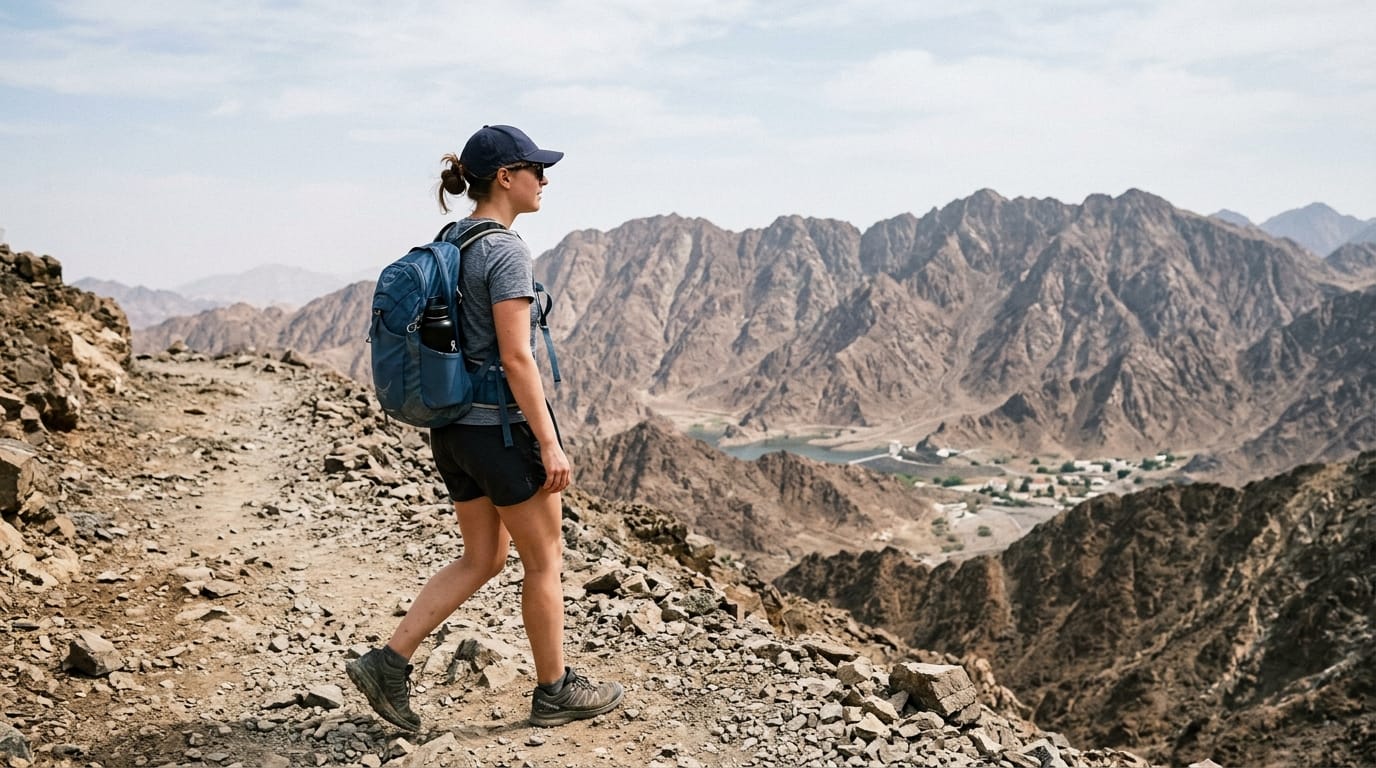
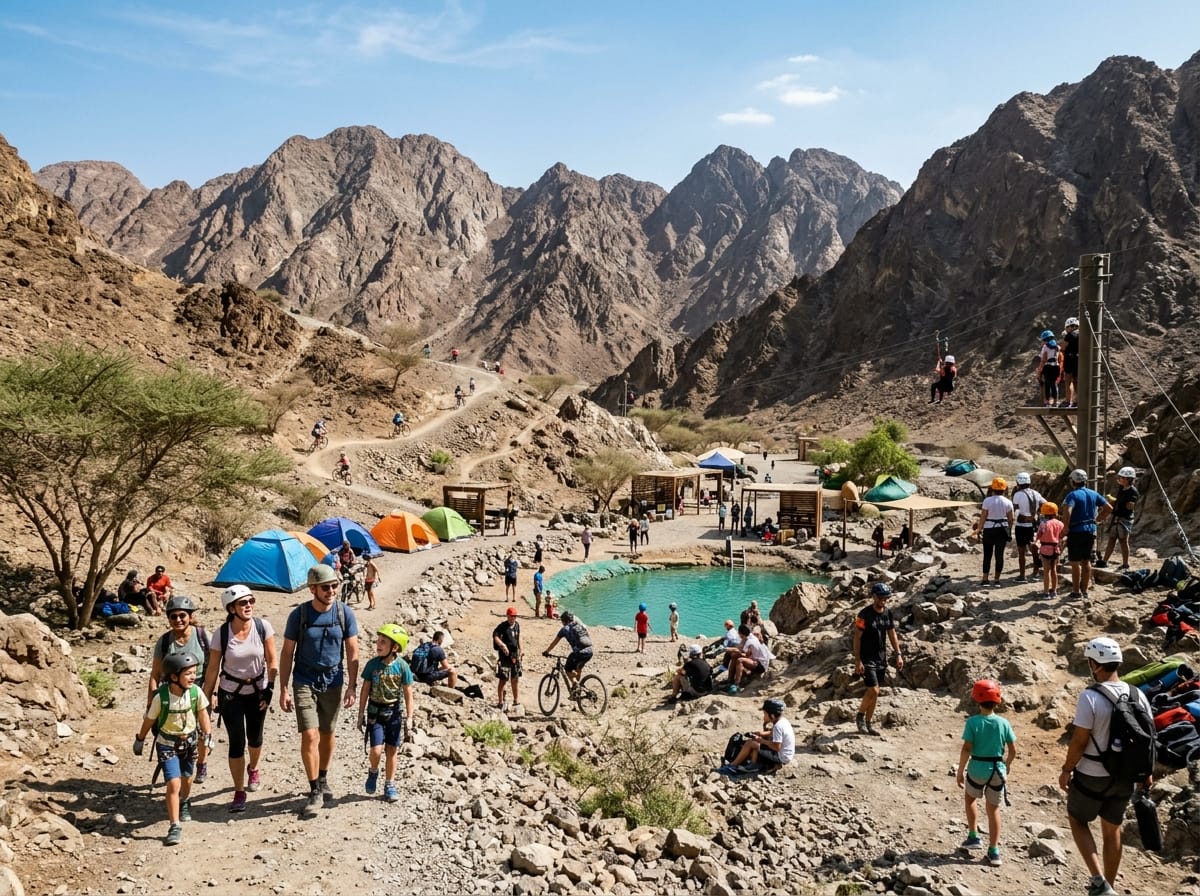
The Hatta region offers several activities, and each one demands a different level of preparation. Kayaking on the dam is suitable for beginners, but you need to know how to swim and be comfortable in a life jacket. Hiking trails are marked by difficulty. The easy ones follow the shoreline or the wadi floor, while the harder ones climb the ridges and require good stamina. Mountain biking is popular on the dedicated tracks, but you should have basic bike-handling skills and a bike suited for off-road use. If you plan to try the zipline or the rope course at the Hatta Wadi Hub, check the height and weight restrictions beforehand. Some activities have minimum age limits, so families with young children should verify that everyone can take part. The Hatta Mountain Tour Dubai official site lists the current operating hours and any seasonal closures, which helps you avoid disappointment.
Booking and reservation policies
Most attractions in Hatta require advance booking, especially during peak periods like public holidays and school breaks. Kayak rentals, guided hikes, and the zipline can sell out days ahead, so it is wise to reserve your spot online. Check the cancellation policy too, because some operators offer full refunds if you cancel 24 hours in advance, while others charge a fee. If you are booking a tour package, confirm what is included: transport, meals, equipment, and entry fees are often listed separately. Read the fine print about what happens in case of bad weather, as thunderstorms or high winds can close certain activities. Photography permits are not needed for personal use, but commercial photography requires prior approval. Keep digital copies of your booking confirmations on your phone, as mobile reception can be patchy in the deeper valleys.
Safety considerations and emergency contacts
The remote nature of Hatta means that help is not always minutes away. Before you set out on a hike or a bike ride, tell someone your planned route and expected return time. Carry a fully charged phone, but also have a backup map or a GPS device because mobile coverage is not guaranteed in all areas. The local emergency number is 999, and the Hatta Police Station can be reached for non-urgent assistance. If you are driving, keep a physical map in the car and note the location of the nearest petrol station, which is about 20 minutes from the main attractions. For any activity that involves water or heights, always follow the safety briefing and wear the provided safety gear. If you feel unwell from the heat, stop, find shade, and hydrate. Do not push yourself to complete a trail if you feel dizzy or short of breath. Taking breaks every 30 minutes helps your body adjust to the exertion and the temperature.
Environmental responsibility
Hatta is a protected area, and visitors are expected to leave no trace. Pack out all your rubbish, including organic waste like fruit peels, because they do not decompose quickly in the dry climate. Stay on marked paths to avoid damaging the fragile desert vegetation. Do not disturb wildlife, such as the Arabian gazelles and the birds that nest in the cliffs. Fires are not permitted except in designated barbecue areas, and even there you should use the provided grills. If you smoke, dispose of cigarette butts in a bin, as they can easily start a wildfire. Respect the local culture by dressing modestly when you visit the heritage village or interact with residents. The community appreciates visitors who show interest in their traditions, but avoid taking photographs of people without asking first. By following these simple guidelines, you help preserve the natural beauty of Hatta for everyone.
Timing your visit for the best experience
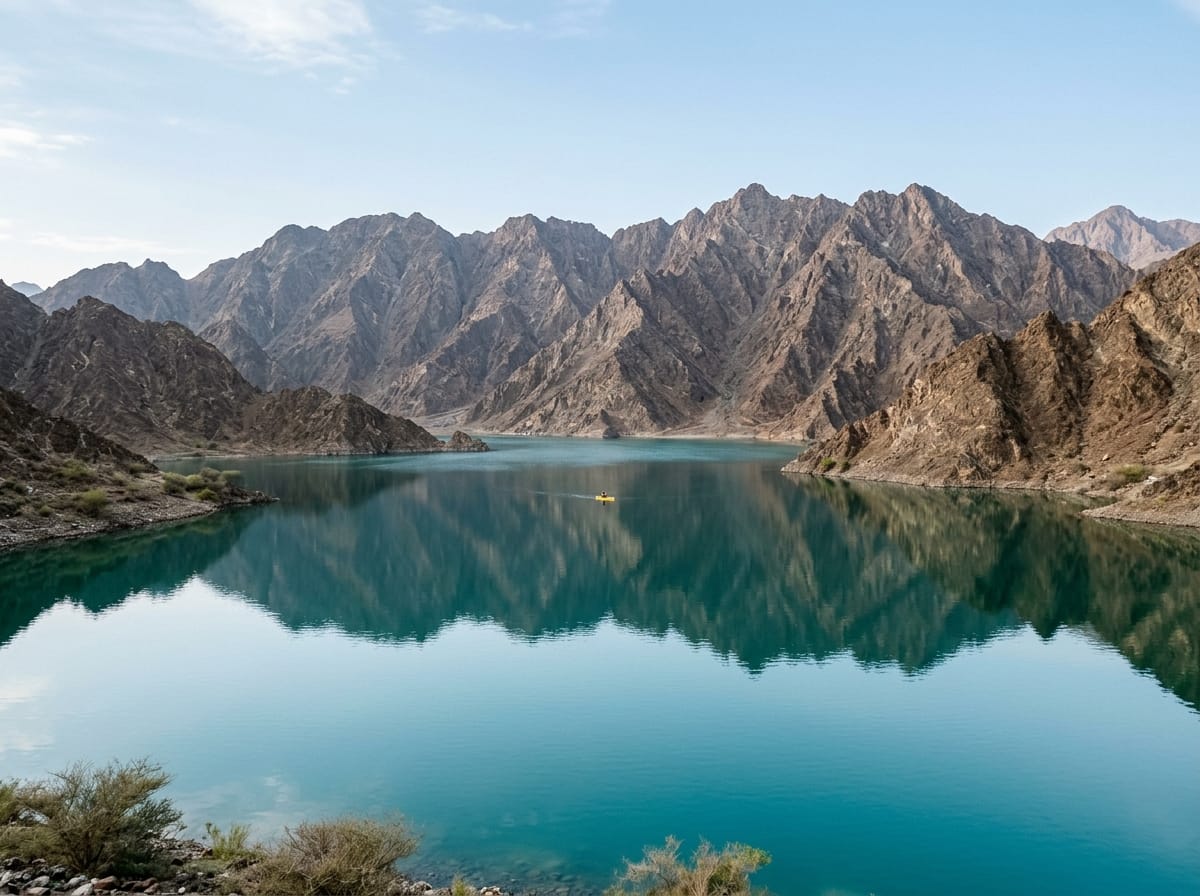
The time of year and the time of day both affect what you can see and do. The cooler months from October to March are the most pleasant for outdoor activities, with daytime temperatures ranging from 20 to 30 degrees Celsius. Summer visits are possible if you stick to water activities and start early in the morning or late in the afternoon. Weekdays are much quieter than Fridays and Saturdays, so you will have more space on the trails and shorter queues for the activities. Sunrise and sunset are the best times for photography, as the low light casts warm colours on the mountains. The dam area is especially beautiful in the early morning when the water is still and the reflections are clear. Plan your meals around the available facilities, as some cafes close by mid-afternoon. If you want a full day of activities, aim to arrive by 8 am and leave by sunset to avoid driving the winding road in the dark. Checking the weather forecast the day before your trip helps you decide whether to focus on hiking, water sports, or a mix of both. With a little forethought, your time in Hatta can be both safe and memorable.